From Zero to Deals: Building a Surplus Funds Business Live, Step by Step
Surplus Systems, Surplus Funds Business, Surplus Funds Recovery
From Zero to Deals: Building a Surplus Funds Business Live, Step by Step
Based on the Surplus Systems video “Watch Me Build a Surplus Funds Business LIVE (From Leads to Deals)” (YouTube ID: TxtoHmGfv4k), this article walks you through the exact journey of taking a surplus funds recovery idea and turning it into a real, operating surplus funds business — from raw leads to signed agreements and collected checks.
Compelling Introduction
You are not reading theory. You are looking at a business you can build in the real world, starting from a laptop, a phone, and the right process. Surplus funds recovery is not about chasing hype; it is about helping people recover money that legally belongs to them after tax sales, mortgage foreclosures, or other distressed situations — and earning a professional fee for doing the hard work they cannot or will not do alone.
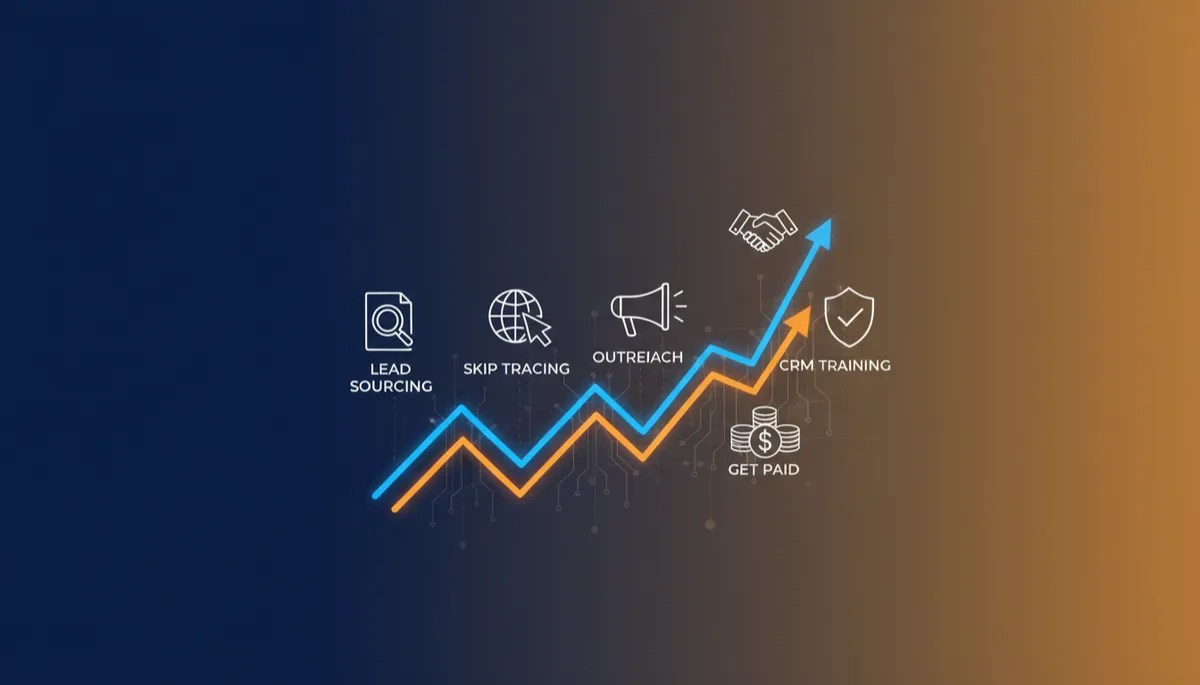
In the Surplus Systems live build, you see exactly how a surplus funds business is assembled in real time: identifying surplus funds leads, running skip tracing to locate the right owners or heirs, reaching out, following up, signing agreements, tracking everything in a CRM, and ultimately getting paid when overage recovery files close. No fluff. No vague promises. Just the actual workflow of a working surplus funds recovery operation.
If you are an aspiring or active surplus funds recovery professional, this is your playbook. Use it to sharpen your process, avoid beginner mistakes, and turn scattered effort into a structured surplus funds business designed to generate consistent deals over time. Laws, timelines, and rules vary by state, so you must always verify your local requirements, but the core business engine you are about to see is universal.
Watch / Listen
To see the full build in action, watch the original Surplus Systems video here:
Watch: “Watch Me Build a Surplus Funds Business LIVE (From Leads to Deals)” on YouTube
CTA
If you want structured, step-by-step training instead of piecing everything together on your own, go directly to the Surplus Systems free course:
Access the Surplus Systems Free Surplus Funds Course
It expands on the live build and gives you a complete framework for surplus funds recovery, including lead sourcing, skip tracing, outreach, agreements, and how to use the Surplus Systems CRM to manage your pipeline professionally.
Post Content
Building a surplus funds business live, as shown in the Surplus Systems video, starts with a simple reality: without a steady flow of surplus funds leads, you do not have a business. Everything else — skip tracing, outreach, agreements, getting paid — depends on the quality and consistency of your lead sourcing process.
Lead Sourcing: Feeding Your Surplus Funds Pipeline
In surplus funds recovery, lead sourcing usually begins with public records. When properties go to tax sale or foreclosure and sell for more than what is owed, that difference can create surplus funds or overages. Counties and courts often publish lists of these cases, but the data is rarely clean or convenient. The live build shows how to take raw lists, import them, and turn them into usable surplus funds leads you can actually work.
A professional surplus funds business treats lead sourcing as a repeatable system, not a one-time event. You identify which counties or states you will target, learn where their overage lists are posted, and set a schedule to pull and process them. Over time, you create a reliable inflow of surplus funds leads instead of sporadic bursts of activity. This is where the Surplus Systems CRM becomes valuable, because it allows you to upload, tag, and organize leads by status, county, and stage in your pipeline.
Skip Tracing: Finding the Right Person Behind the File
Once you have surplus funds leads, the next step is skip tracing. The name on a county list is not enough. People move. Owners pass away. Heirs are scattered. Your job in surplus funds recovery is to track down the correct, legally entitled party and verify their connection to the surplus funds in question. This is where skip tracing tools and a clear process are essential.
In the live build, you see how skip tracing is used to turn a cold record into a real contact: cross-checking addresses, phone numbers, relatives, and alternate contact points. Good skip tracing does not rely on a single data source. You might use professional skip tracing platforms, public records, and even social media to confirm you have the right person. By logging each attempt and result inside the Surplus Systems CRM, you maintain a clear history of your work on every lead.
Outreach and Follow-Up: Turning Contacts into Conversations
Skip tracing sets the stage; outreach and follow-up close the distance between you and a potential client. In surplus funds recovery, outreach is usually a mix of phone calls, letters, and sometimes email or text, depending on what is legally appropriate in your jurisdiction. The message is simple but powerful: there may be surplus funds owed to them, and you specialize in helping recover them in exchange for a clearly defined fee.
The live build emphasizes that one contact attempt is not enough. Real surplus funds businesses are built on disciplined follow-up. You schedule callbacks. You send second letters. You answer questions and handle skepticism professionally. The Surplus Systems CRM supports this by tracking call attempts, notes, and next actions, so no promising lead gets lost or forgotten. Over time, this consistent follow-up is what turns a list of surplus funds leads into a pipeline of real opportunities.
Signing Agreements: Protecting Both You and the Client
When a prospect is ready to move forward, you transition to formalizing the relationship. This usually involves a contingency agreement or similar contract that outlines your role in the surplus funds recovery process, your fee structure, and the responsibilities of each party. The goal is clarity and transparency. You are not promising specific outcomes, and you are not giving legal advice; you are offering a professional service to pursue overage recovery on their behalf.
Laws, caps on fees, and required disclosures vary significantly by state and sometimes by county. The video and Surplus Systems training stress the importance of understanding your local rules and, where appropriate, consulting qualified professionals. Once signed, agreements are stored and tracked in the CRM, tied to the relevant surplus funds lead, so you always know which files are active and ready for the next step.
Getting Paid: From File Submission to Collected Check
After agreements are in place, you move into the execution phase: preparing and submitting the necessary documents to the county, court, or relevant agency to claim the surplus funds. This can involve affidavits, claim forms, supporting documentation, and, in some areas, working with attorneys or other professionals. Again, the exact requirements depend on your jurisdiction, and no outcome is guaranteed.
When claims are approved and funds are disbursed, your fee is paid according to the terms of your agreement. A mature surplus funds business tracks every stage of this journey — from initial lead to final payment — inside a CRM. Surplus Systems is built specifically for this, giving you clear visibility into how many leads you have, how many are under agreement, how many claims are pending, and where your next revenue is likely to come from.
The Role of Surplus Systems CRM and Training
The live build makes one thing clear: tools and training matter. You can try to manage surplus funds recovery with scattered spreadsheets and sticky notes, or you can operate like a professional using a purpose-built CRM and a proven process. Surplus Systems provides both. The CRM is designed around the realities of surplus funds recovery — importing lists, tagging surplus funds leads, tracking skip tracing, logging outreach, storing agreements, and monitoring payouts.
The training, including the free course, goes beyond software. It walks you through how to think about surplus funds business models, how to structure your day, how to prioritize leads, and how to communicate clearly and ethically with clients. For aspiring and active surplus funds recovery professionals, that combination of system plus strategy shortens the learning curve and helps you avoid common pitfalls.
Final Thoughts
A surplus funds business is built, not wished into existence. You source leads consistently, run disciplined skip tracing, execute focused outreach and follow-up, secure clear agreements, and manage every step until claims are resolved and fees are paid. The Surplus Systems live build shows this process in motion — not as a theory, but as a working surplus funds recovery operation you can model and adapt to your own market, always within the laws of your state.
If you are serious about surplus funds recovery and ready to operate like a professional, your next step is straightforward: enroll in the Surplus Systems free course. Use it to refine your surplus funds business, tighten your process, and bring structure to every stage — from surplus funds leads to signed deals and collected checks.
Resources
- Surplus Systems YouTube Channel: https://www.youtube.com/@surplussystems
- Surplus Systems Free Course: https://surplussystems.io/freecourse